How to Wire a Garage Door Opener in Phoenix
How to wire a garage door opener in Phoenix comes down to two low-voltage connections: the wall button and the safety sensors, both landing on the terminals at the back of the motor unit. The opener then plugs into a grounded ceiling outlet. Test the sensors and auto-reverse, and call to be connected with a local provider if it still will not work.
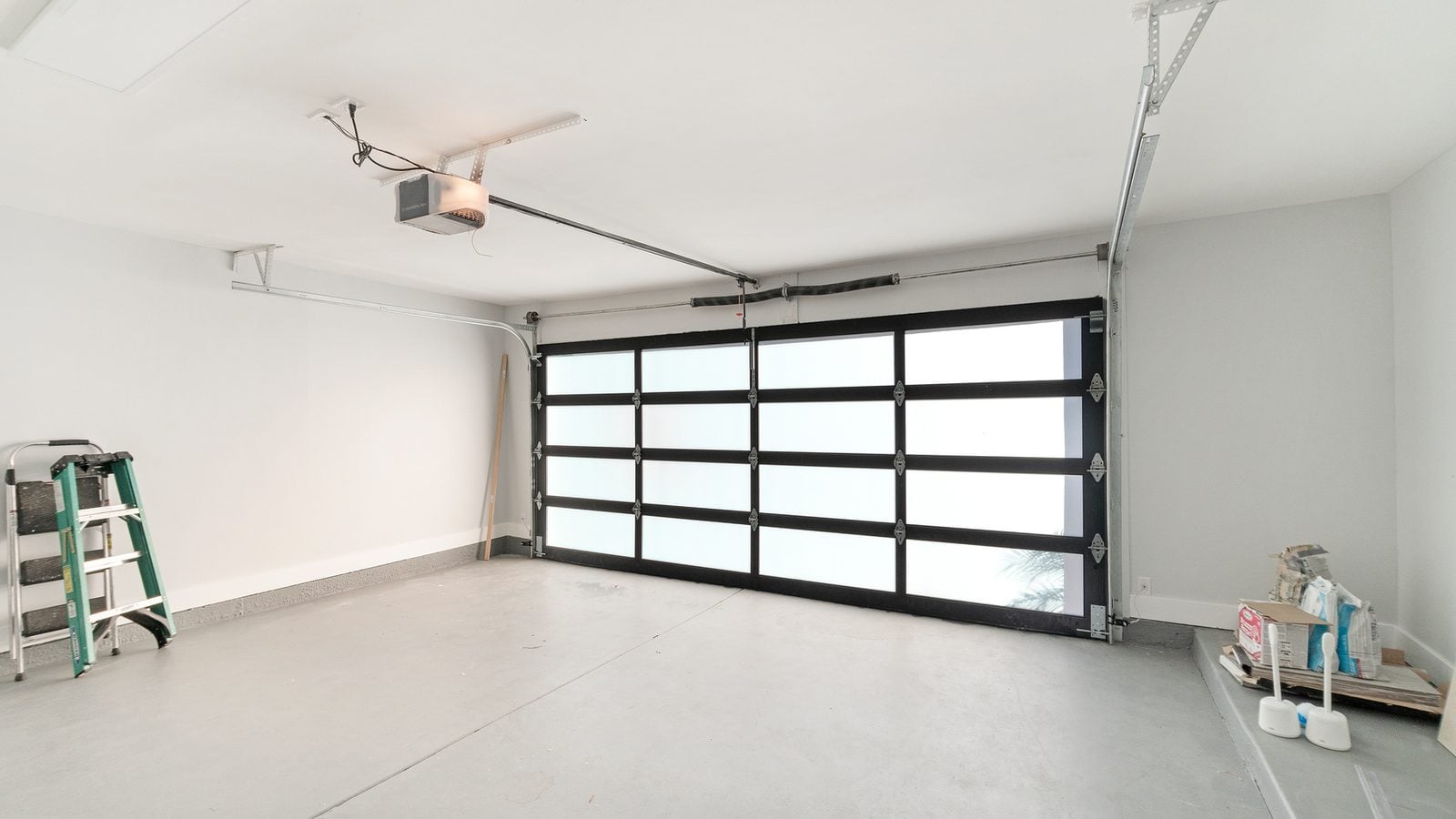
- Most garage door openers plug into a grounded ceiling outlet. Only the wall button and the safety sensors are wired to the motor unit.
- The wall button and the sensors each use thin, two-conductor low-voltage wire on their own pair of terminals.
- If the door opens but will not close after wiring, the safety sensors are the usual reason.
- Many openers care about polarity, so swapping the two conductors at a terminal often fixes a dead sensor or wall button.
- Phoenix averages 111 days a year at 100°F or higher, which can make thin wire insulation brittle over time.
How do you wire a garage door opener, step by step?
To wire a garage door opener in a Phoenix garage, you connect two sets of thin low-voltage wires to the terminals on the back of the motor unit: one pair for the wall button and one pair for the safety sensors. The opener itself then plugs into a grounded ceiling outlet. Most openers do not need hardwiring into the house circuit.
- Unplug the opener, or leave it unplugged if it is new, before you touch any terminal.
- Find the terminal block on the back of the motor unit. It usually has three or four push-in or screw terminals, often color-coded red, white and gray.
- Run the wall button wire from the motor unit to the wall control, about five feet off the floor and out of reach of small children.
- Run the sensor wire down each side of the door to the two photo-eye sensors, about six inches above the floor.
- Strip a short length of insulation, then connect each wire to the terminals the opener manual shows.
- Staple the wire along the ceiling and wall with insulated staples, never through the wire.
- Plug the opener in, check the sensor lights, and test the wall button and the auto-reverse.
Every opener brand lays out its terminals a little differently, so keep the manual for your model open while you work.
Which wires go where on a garage door opener?
On most garage door openers, the wall button wire and the safety sensor wire each land on their own pair of terminals, and they often share one common terminal. The wall button usually uses red and white terminals, and the sensors usually use white and gray. Your model's label and manual have the final say.
- Wall button wire: a two-conductor wire, often with one plain side and one striped side. One conductor goes to the red terminal, the other to the common terminal.
- Sensor wire: the two sensors connect to the same pair of terminals. The two wires from both sensors are often twisted together at the opener.
- Polarity: many openers care which side of the wire goes to which terminal. If a sensor or wall button does nothing, swap the two conductors at that terminal and test again.
- Power cord: the opener plugs into a grounded outlet near the motor unit. Do not cut the plug off to hardwire it.
If your opener uses a smart wall panel, follow the manual exactly.
How do I wire garage door sensors to the opener?
To wire garage door safety sensors, mount one sensor on each side of the door about six inches above the floor, run a wire from each one up to the opener, and connect both to the sensor terminals. When the sensors face each other and the wiring is right, both indicator lights glow steadily.
- Point the sending sensor and the receiving sensor straight at each other across the door opening.
- Keep the wires away from the moving door, the rollers and the track.
- A blinking or dark light usually means the sensors are out of line, a wire is loose, or the polarity is reversed.
- Never mount the sensors high on the wall to get around a problem. They must sit low enough to see a child or pet under the door.
If the lights still will not come on, read the garage door sensor and keypad repair page for common causes before you rewire anything.
Need help now? Call to be connected with a local provider in Phoenix who can check availability for your address.
Do I need an electrician to wire a garage door opener?
You usually do not need an electrician to wire a garage door opener if a grounded outlet is already in the ceiling near the motor unit, because the opener just plugs in and the rest is low-voltage wiring. You should call an electrician if there is no outlet, the outlet is not grounded, or you would have to run a new circuit.
Signs to stop and get electrical help:
- There is no outlet within reach of the opener's cord.
- You would need an extension cord to reach power. Do not use one for an opener.
- The outlet sparks, feels warm, or the breaker trips when the opener runs.
- The opener's instructions call for hardwiring and you have never worked on a house circuit.
Low-voltage wall button and sensor wires are a reasonable job for many people. House wiring is a different job and is not something to guess at.
Why won't my garage door close after I wired the opener?
A garage door that opens but will not close after new wiring almost always points to the safety sensors. The opener refuses to close if the sensors are not wired correctly, not lined up, or not getting power. The opener light often blinks to tell you a sensor problem is the reason.
- Check the sensor lights. Both should glow steadily. A dark light means no power or a loose wire. A blinking light usually means the sensors are out of line.
- Check polarity. Swap the two sensor wires at the opener terminals and test again.
- Check for a staple. A staple driven through the wire can short it. Look along the run, especially at corners.
- Check the wall button. If the door works from the wall button but not the remote, the wiring is fine and the remote needs to be programmed.
If you tried these and the door still will not close, see garage door opener troubleshooting or call to be connected with a local provider.
Can I reuse the old wires when I replace an opener?
You can often reuse the old wall button and sensor wires when you replace a garage door opener in Phoenix, as long as the wire is in good shape and the new opener accepts the same kind of wall control. Many newer openers ship with their own wall control and sensors, and some will only work with those.
- Look for cracked insulation, chewed spots, kinks or staples that pierced the wire. Replace any damaged run.
- Check the new opener's manual. If it says to use only the included wall control or sensors, swap them out even if the old ones still work.
- Label each wire with tape before you disconnect the old opener so you know which is which.
- Test the sensors and auto-reverse every time you change the wiring.
When is wiring the problem, and when is it the door?
Wiring problems show up as a dead wall button, sensor lights that will not stay on, or a door that refuses to close. Door problems show up as a loud bang, a door that is very heavy, a crooked door or a loose cable. New wiring will not fix a broken spring or a door that is off its track.
Before you blame the wiring, pull the manual release with the door closed and lift the door by hand a few feet. A balanced door feels fairly light and stays put when you let go. If it is heavy, slams down or shoots up, stop. The springs and cables hold high tension, and adjusting them yourself can cause serious injury. Read about garage door spring repair in Phoenix and call to be connected with a local provider.
What happens during the visit if you call for help?
If you call for help with garage door opener wiring, the visit follows the same simple steps whether the fix is a loose wire or a bigger problem.
- Inspection. The provider asks what you noticed, then checks the wiring, terminals, sensors, wall control, outlet and the door's balance.
- Options explained. You hear what is wrong and what can be done, from rewiring to replacing a part or the opener.
- Written quote first. Ask for a written quote that names the work and the parts before anything starts.
- Testing. After the work, ask to see the sensor lights, the wall button and the auto-reverse test.
Call the number on this page to be connected with a local provider who serves Phoenix.
How Phoenix heat and dust affect garage door opener wiring
Phoenix garages put more stress on opener wiring than garages in milder places. Phoenix averages 111 days a year of 100°F or higher and 21 days a year of 110°F or higher, based on 1991-2020 normals, and the city recorded 70 days of 110°F or higher in 2024, the most on record. A closed garage can run hotter than the air outside, so thin wire insulation and plastic sensor brackets age faster here. Check the wire runs for cracks each spring.
Monsoon season brings dust. The National Weather Service defines the monsoon as June 15 through September 30, and a Dust Storm Warning means visibility of 1/4 mile or less, with wind gusts of 40 to 60 mph also likely. Dust on the sensor lenses can make a correctly wired door refuse to close, so wipe the lenses gently before you start pulling wires. NWS also notes that freezing nights are rare in Phoenix, so cold weather is seldom the cause of sensor trouble here.
Whether you live in central Phoenix, Glendale, Peoria, Laveen or Anthem, call to be connected with a local provider if the wiring still will not cooperate.
Related pages
Questions people ask
How do I wire a garage door opener myself?
Connect the wall button wire and the sensor wire to the terminals on the back of the motor unit, then plug the opener into a grounded ceiling outlet. Keep the opener unplugged while you work and follow your model's manual for terminal colors.
What color wire goes where on a garage door opener?
On many openers the wall button uses the red and white terminals and the sensors use the white and gray terminals. Brands differ, so check the label on the motor unit and the manual before you connect anything.
Does it matter which wire goes to which terminal on a garage door opener?
Yes, on many openers it does. If the wall button or sensors do nothing after wiring, swap the two conductors at that terminal and test again.
Can I hardwire a garage door opener instead of plugging it in?
Most residential openers are designed to plug into a grounded outlet. If you want it hardwired or there is no outlet, call an electrician instead of cutting off the plug.
Do I need an electrician to install a garage door opener?
Usually not, if there is already a grounded outlet near the motor unit. You need an electrician if there is no outlet, the outlet is not grounded, or a new circuit is needed.
Can I use an extension cord for my garage door opener?
No. Do not run a garage door opener on an extension cord. Have a properly installed outlet added near the motor unit instead.
How high should garage door sensors be mounted?
Garage door sensors are usually mounted about six inches above the floor on each side of the door. That height lets them see a child, pet or object under the door.
Why is one of my garage door sensor lights blinking after wiring?
A blinking sensor light usually means the sensors are out of line with each other. It can also mean a loose wire, so check alignment first, then the connections.
Why does my garage door go up but not down after I wired it?
The opener is almost always seeing a sensor problem. Check that both sensor lights are steady, the wires are tight and the polarity is right.
Can I wire garage door sensors without the opener manual?
You can try, but it is risky. Look up your opener brand and model number from the label on the motor unit and download the manual before wiring.
What kind of wire do garage door sensors use?
Garage door sensors and wall buttons use thin, two-conductor low-voltage wire. Many openers include it in the box, and replacement wire is sold for this use.
Why does my garage door wall button not work after I rewired it?
The wall button wire may be on the wrong terminals, reversed, or pierced by a staple. Check the connections and swap the conductors if your opener is polarity-sensitive.
Can I put the garage door wall button anywhere?
Mount it where you can see the door when you press it, about five feet off the floor and out of reach of small children. Keep it away from the moving door.
Is it safe to wire a garage door opener while it is plugged in?
No. Unplug the opener before you touch any terminals. The low-voltage wires are mild, but the motor unit also carries household power.
Does Phoenix heat damage garage door opener wiring?
Long Phoenix summers can make thin wire insulation brittle over time. Check the wire runs for cracks and replace damaged sections.
Can a dust storm make my garage door sensors stop working?
Dust can cover the sensor lenses and make the door reverse or refuse to close. Wipe both lenses gently with a soft cloth after a storm.
Should I rewire my garage door opener if it makes a grinding noise?
No. Grinding usually comes from worn gears, rollers or a door that is out of balance, not from wiring. Call to be connected with a local provider if it continues.
Who can help me wire a garage door opener in Phoenix?
Call the number on this page to be connected with a local provider who serves Phoenix and nearby areas. Tell them the opener brand and what happens when you press the button.
Talk to someone about your garage door problem
Call to be connected with a local provider who can check availability for your address and explain the next step.