How to Program a New Garage Door Opener in Phoenix
How to program a new garage door opener in Phoenix starts with the learn button on the motor unit: press it, then press the remote button you want to use within about 30 seconds. After the remotes, pair the keypad and car, confirm the travel limits, and test the safety reverse. If the door still acts up, call to be connected with a local provider.
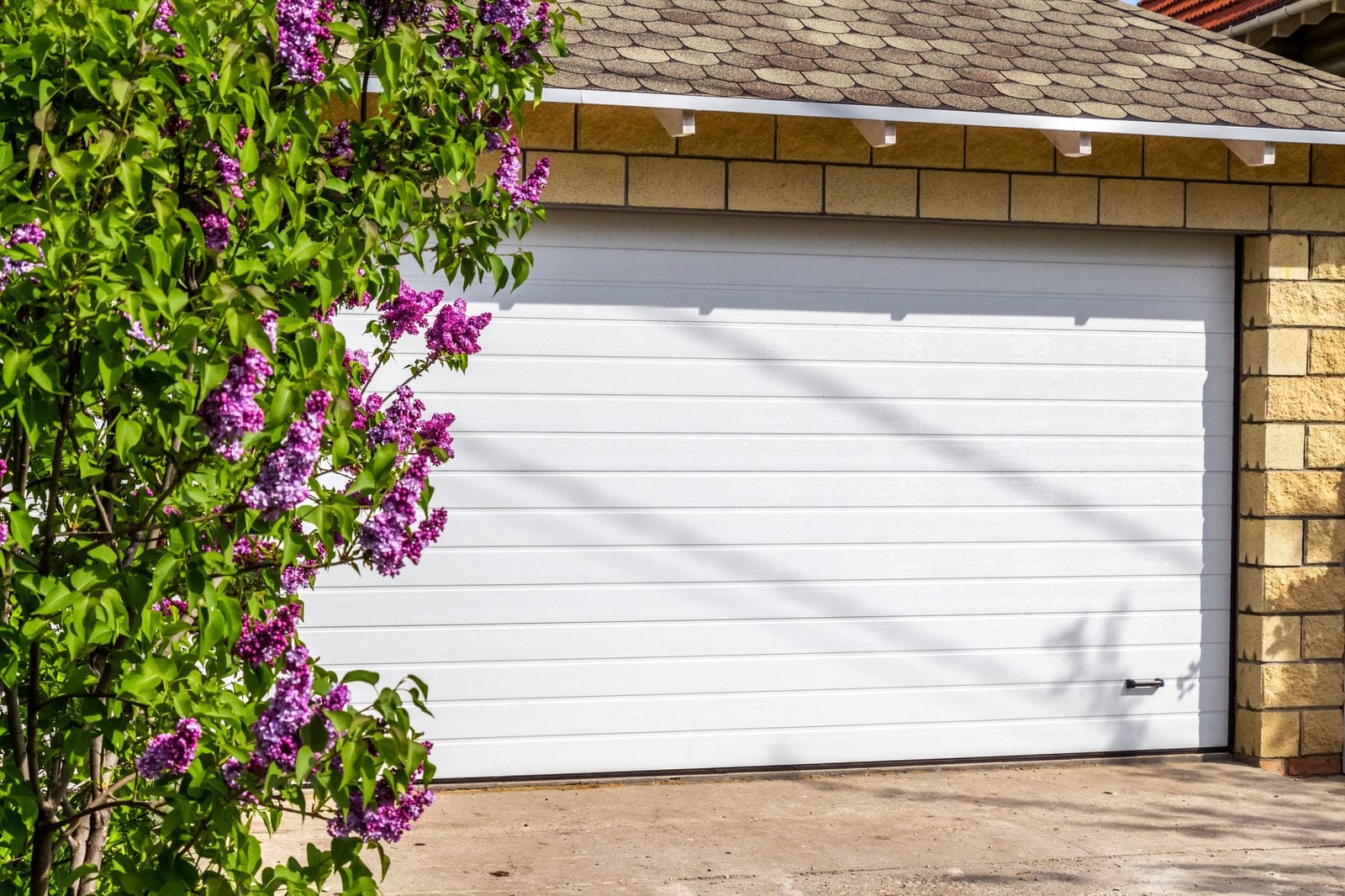
- Most new openers pair remotes with a learn button on the motor unit. The button is often near the light cover or the antenna wire.
- Pressing and holding the learn button too long can erase every remote and keypad already paired, so read the label first.
- A new opener also needs correct travel limits and force settings. Wrong settings can stop the door short or keep it from reversing.
- Always test the safety reverse after programming: the door should reverse when it touches an object on the floor and when the sensor beam is blocked.
- Phoenix averages 111 days a year at 100°F or higher, so garage and car heat are worth keeping in mind for remotes and their batteries.
How to program a new garage door opener, step by step
To program a new garage door opener in Phoenix, find the learn button on the motor unit, press and release it, then press and hold the button on your remote until the opener light blinks or you hear a click. Test the remote, repeat for each remote, then pair the keypad and car.
- Make sure the opener is plugged in and the door is closed with nothing in its path.
- Find the learn button. It may sit under the light cover or next to the antenna wire, and it is often a small square button with an LED beside it.
- Press and release the learn button once. Do not hold it down, since holding it on many models clears the memory.
- Within about 30 seconds, press and hold the remote button you want to use until the opener light flashes or clicks.
- Step off the ladder and test the remote from inside the garage, then from the driveway.
- Repeat for every remote, then move on to the keypad and car buttons.
Your opener's label and manual come first. If nothing pairs after a few tries, call to be connected with a local provider.
Where is the learn button on a garage door opener?
The learn button on most garage door openers is on the back or side of the motor unit, near where the antenna wire hangs down. On some models it hides behind the light lens. Many brands color-code the button to show which radio system the opener uses, and new remotes must match that system.
On a wall-mounted opener beside the door, stay clear of the spring and cable drums while you look for the button.
How do you program the keypad and car to a new opener?
To program a wireless keypad to a new garage door opener, press the learn button, then enter a PIN you choose on the keypad and press enter within about 30 seconds. To program a car's built-in buttons, you usually train the car to a working remote first, then link it to the opener's learn button.
For the keypad, pick a PIN that is not your street number or birthday.
Car systems vary by make and model year. Many need two steps: hold a working remote near the car's button so the car learns the signal, then press the learn button on the opener and press the car button a few times.
Need help now? Call to be connected with a local provider in Phoenix who can check availability for your address.
What else needs setting on a new garage door opener besides the remotes?
A new garage door opener also needs its travel limits and force settings set correctly, and its safety sensors aligned. Travel limits tell the opener where open and closed are. Force settings control how hard it pushes before it decides something is wrong and reverses.
Many newer openers set limits with buttons on the motor unit, often marked with up and down arrows. Older or basic models use adjustment screws or dials. Never raise the force setting to make a stiff or heavy door move, since that hides spring or track problems.
The safety sensors sit near the floor on each side of the door. Their small lights should be steady, not blinking, when the beam is clear.
Why won't my remote program to my new garage door opener?
A remote usually will not program to a new garage door opener because it uses a different radio system, the battery is weak, the learn window timed out, or the opener's memory is full. Wall controls with a lock feature can also block remotes until the lock is turned off.
Work through these signs one at a time:
- The opener light never blinks. The remote may not be compatible with that opener, or its battery is too weak to send a clear signal. Try a fresh battery first.
- Old remotes work, new ones do not. The opener's memory may be full. Some models clear all remotes at once, so be ready to pair every remote and keypad again afterward.
If you have tried fresh batteries and a careful repeat of the steps and the remote still will not pair, the receiver board may be the problem. That is a good point to stop and call.
What are the signs the problem is not programming at all?
Some symptoms look like a programming issue but point to a mechanical or electrical problem instead. If the door starts to move and then stops, reverses, or the opener hums without lifting the door, programming will not fix it.
- The opener hums or clicks, but the door does not move.
- The door goes up a few inches and stops, or slams down fast.
- One side of the door hangs lower than the other.
- The door reverses before it reaches the floor even with the sensors clear.
- The door feels very heavy when you lift it by hand with the opener disconnected.
A heavy door is the most important warning sign. Do not try to adjust springs or cables yourself. Call to be connected with a local provider for spring and cable work.
Is it safe to program a new garage door opener yourself?
Yes, programming remotes, a keypad and a car to a new garage door opener is a reasonable homeowner task when you use a stable ladder and keep the door path clear. The risky parts of a garage door are the springs, cables and bottom brackets, and programming does not involve them.
Keep a few safety habits in mind:
- Keep kids, pets and cars out of the door path while you test.
- Do not stand under the door while it moves.
- Unplug the opener before opening the motor housing for anything beyond the light cover.
- Leave opener installation, rail mounting and sensor wiring on a heavy door to a professional.
What happens during the visit if you call for help?
When you call to be connected with a local provider in Phoenix, the visit usually starts with an inspection of the opener and the door. The provider checks the springs, cables, rollers and tracks, then tests the opener's limits, force settings, safety sensors and safety reverse.
Next, they explain what they found and the options. That might be reprogramming and pairing your remotes, keypad and car, adjusting the opener settings, or a repair to the door itself if something mechanical is wrong. You should get a written quote before any work begins, so you know the scope and can decide without pressure.
How Phoenix heat and monsoon season affect opener setup and remotes
Garages around Phoenix get hot. Phoenix averages 111 days a year of 100°F or higher and 21 days a year of 110°F or higher, based on 1991-2020 normals, and the all-time record high is 122°F. NWS Phoenix also reports that 2024 was the warmest year in Phoenix history. A closed car parked in the sun and a garage with an opener mounted near the roof deck both get very warm, so keep spare remote batteries indoors and do your programming in the cooler part of the day.
Monsoon season matters too. The National Weather Service defines the monsoon as June 15 through September 30, and a Dust Storm Warning means visibility of 1/4 mile or less with wind gusts of 40 to 60 mph also likely. Dust can coat the safety sensor lenses so the door reverses. Wiping the lenses with a soft cloth is a good first check.
Whether you live in central Phoenix, Glendale, Peoria, Laveen, Ahwatukee or Anthem, call to be connected with a local provider if your new opener will not pair or the door behaves oddly after setup.
Related pages
Questions people ask
How to program a new garage door opener with my remote?
Press and release the learn button on the opener, then press and hold the remote button within about 30 seconds until the opener light blinks or clicks. Test the remote, then repeat for each extra remote.
Why does my garage door opener light blink but the remote still doesn't work?
The remote may have paired to a different button, or the signal was not saved before the learn window closed. Try the other remote buttons, then repeat the steps with a fresh battery.
How do I program a garage door keypad to a new opener?
Press the learn button on the opener, then enter a PIN of your choice on the keypad and press enter within about 30 seconds. Test it with the door path clear.
Why won't my car program to my new garage door opener?
Newer openers often use rolling codes that some cars cannot pair with directly. The car may need a different step order, a software setting or an adapter, so check the car manual and the opener label.
Do I need to set the travel limits on a new garage door opener?
Yes, a new opener needs travel limits so it knows where fully open and fully closed are. Many models set limits with arrow buttons on the motor unit, and older ones use screws or dials.
Should I turn up the force setting if my garage door won't close all the way?
No, raising the force setting can hide a spring or track problem and make the door less safe. Check the travel limits and sensors first, and call for help if the door still struggles.
How do I test the safety reverse after programming a new opener?
Close the door on a flat object like a board laid on the floor, and it should reverse after touching it. Also wave something through the sensor beam while the door closes, and it should reverse.
My new garage door opener hums but the door won't move. Is that a programming problem?
No, a humming opener with a still door usually points to a broken spring, a jammed door or a motor issue. Stop using the opener and call to be connected with a local provider.
How long does a garage door remote battery last in the Phoenix heat?
There is no fixed answer, but heat can be hard on small batteries. In Phoenix, keep spare batteries indoors and replace the remote battery first whenever range starts to drop.
Can dust storms in Phoenix make my new garage door opener act like it is not programmed?
Dust can coat the safety sensor lenses so the door reverses or refuses to close. Wipe both lenses with a soft cloth and check that their lights are steady before you reprogram anything.
What should I do if my garage door opener stops working after a monsoon power outage?
Check the outlet, the breaker and the wall control lock first, then try one remote. If the opener still does not respond, call to be connected with a local provider in Phoenix.
Is it safe to program a garage door opener myself?
Yes, pairing remotes and keypads is a reasonable homeowner task with a stable ladder and a clear door path. Leave springs and cables to a professional.
What does the color of the learn button mean?
Many brands use the color to show which radio system the opener uses. Match it to the remote package before you buy.
Who can help program a new garage door opener near me in Phoenix?
You can call to be connected with a local provider in Phoenix who can pair remotes, keypads and cars and check the opener settings. Have the opener model number ready when you call.
What should I tell the provider when I call about programming a garage door opener?
Share the opener brand and model, how many remotes and keypads you want paired, and the make and model year of any car. Mention any noises or reversing so they can check the door too.
Talk to someone about your garage door problem
Call to be connected with a local provider who can check availability for your address and explain the next step.