Garage Door Opener Motor Replacement in Phoenix
Garage door opener motor replacement in Phoenix makes sense when the motor itself has failed but the rest of the opener and the door are in good shape. If the door is also worn, or the opener is old and parts are hard to find, a full new opener may fit better. Call to be connected with a local provider.
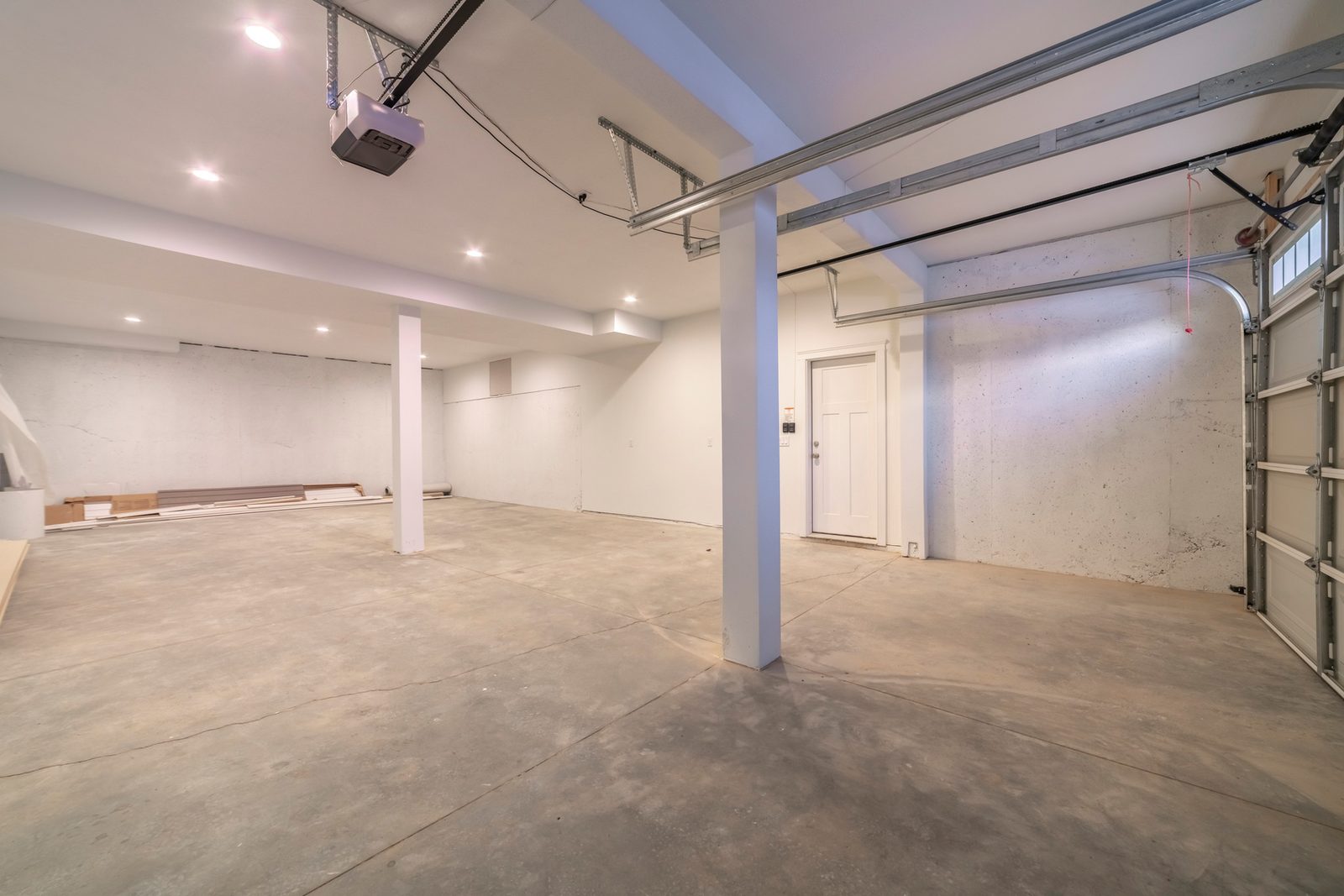
- A dead motor, a burning smell or a motor that hums but never turns are common reasons to consider a new motor.
- Many opener problems are not the motor at all: sensors, remotes, gears, logic boards and broken springs cause similar symptoms.
- An opener should never lift a door with a broken spring, because that strains the motor and can damage it.
- Phoenix averages 111 days a year at 100°F or higher, and long hot summers are hard on motors in closed garages.
- Ask for an inspection and a written quote that compares a motor swap, a repair and a new opener before work starts.
When does garage door opener motor replacement make sense in Phoenix?
Garage door opener motor replacement in Phoenix makes sense when testing shows the motor is the failed part, the rest of the opener works, the rail and drive are sound, and a matching motor is still available for that model. In that case, swapping the motor can keep a familiar opener running without changing the whole unit.
It makes less sense when the opener is old, several parts are worn at once, or the door itself has spring, cable or track problems. Then a repair of the real problem or a new opener may fit better.
How can I tell if the motor is the problem and not something else?
A failed motor usually shows up as silence with power present, a hum with no movement, a burning smell, or a motor that starts and then cuts out. Those signs overlap with other faults, so a hands-on check is the only sure way to know.
- Hums but the door does not move: also common with a broken spring or a stripped drive gear.
- Lights blink and the door reverses: usually the safety sensors. See our sensor and keypad repair page.
- Remote does nothing: try the wall button. If it works, the remote is the likely issue.
Our opener troubleshooting guide covers simple, safe checks.
Should I replace the motor, repair the opener or get a new opener?
Replace the motor when it alone has failed and the opener is otherwise sound. Repair the opener when a smaller part such as a gear, sensor or board is at fault. Choose a new opener when the unit is old, parts are hard to get, or several parts are failing at the same time.
- Motor swap: keeps the rail, drive and wall controls you already have.
- Opener repair: fixes the actual failed part.
- New opener: a whole new unit with new electronics, often with newer features such as a quieter belt drive or a battery backup.
Our garage door opener repair page covers the common repairs in more detail.
Need help now? Call to be connected with a local provider in Phoenix who can check availability for your address.
Can a broken spring make it look like the opener motor died?
Yes. A broken spring is one of the most common reasons an opener seems to fail. The springs do the heavy lifting, so with a broken spring the motor tries to lift the full weight, then hums, strains or stops.
If you heard a loud bang before the opener quit, stop using it. Running the opener against a broken spring can burn out a good motor. See our garage door spring repair page.
Does a Genie or LiftMaster motor need a different approach?
The approach is the same for any brand: confirm the motor is the failed part, then check whether a matching motor is still made for that exact model. Genie, LiftMaster, Chamberlain and other brands use their own motors and boards, so parts are not shared between brands. Write down the brand and model number from the label on the opener housing before you call.
Is it safe to replace a garage door opener motor myself?
Most homeowners are better off leaving it to a provider. The job involves household power, ladder work near the ceiling, and a door that must be balanced and tested afterward so the safety reverse works.
If you do any checks yourself, unplug the opener first, keep the door closed, and never touch the springs, cables or bottom brackets.
What happens during the visit?
The visit starts with an inspection of the whole door and opener, not only the motor. The provider checks the springs, cables, rollers and tracks, tests the door balance with the opener disconnected, and then tests the opener, motor, gears, board, sensors and controls.
- Inspection: they confirm which part has actually failed and whether anything else on the door is worn.
- Options explained: you hear the choices in plain words: a motor swap, a repair of another part, or a new opener, and what each one means for your door.
- Written quote first: ask for a written quote that lists the work and parts before anything begins.
- Safety test: after any work, the auto-reverse and sensors should be tested with you there.
If you rent, check with your landlord before any work starts.
How do I choose who handles my opener motor in Phoenix?
Choose a provider who works on your opener brand, explains why the motor is or is not the problem, and gives you a written quote before work starts. Ask them to compare a motor swap with a new opener.
You can look up a contractor in the Arizona Registrar of Contractors online contractor search. If the door itself is old or damaged, our repair vs. replacement guide can help.
How Phoenix heat and storms affect opener motors
Phoenix weather puts real stress on garage door openers. Phoenix averages 111 days a year at 100°F or higher and 21 days a year at 110°F or higher, based on 1991-2020 normals. In 2024, Phoenix recorded 70 days of 110°F or higher, the most on record. A closed garage can trap that heat around the opener all afternoon.
The National Weather Service defines the monsoon as June 15 through September 30. A Dust Storm Warning means visibility of 1/4 mile or less, and wind gusts of 40 to 60 mph are also likely. Wind can push on the door and dust can coat the safety sensors, which makes an opener act up even when the motor is fine.
Whether you live in central Phoenix, Glendale, Peoria, Goodyear, Avondale or Anthem, call to be connected with a local provider who can check your opener and explain your options.
Related pages
Questions people ask
Can I just replace the motor on my garage door opener instead of buying a new one?
Often yes, if the motor is the only failed part and a matching motor is still made for your model. A Phoenix provider can test the opener and tell you whether a motor swap or a new opener makes more sense.
How do I know if my garage door opener motor is burned out?
Common signs are a burning smell, a motor that is silent even with power, or a hum with no movement. Those signs can also come from a broken spring or worn gear, so have it tested.
Why does my opener hum for a few seconds and then stop?
A short hum and stop often means the motor is straining against something, like a broken spring, a jammed track or a stripped gear. Unplug the opener and have the door checked before using it again.
Is garage door opener motor replacement worth it on an older opener?
It depends on how old the opener is and whether parts are still made for it. If other parts are also worn, a new opener is often the more practical choice for a Phoenix home.
Where do I find the model number on my garage door opener?
Check the label on the opener housing, usually on the side or back of the unit. Have the brand and model ready when you call.
Can the Phoenix heat burn out a garage door opener motor?
Heat adds stress to motors and electronics, especially in a closed garage. Phoenix averages 111 days a year at 100°F or higher, so opener trouble after a long summer is common.
Will a broken garage door spring damage my opener motor?
It can. Without a working spring, the motor tries to lift the full weight of the door. Stop using the opener and have the spring checked first.
My garage door opener runs but the door does not move. Is that the motor?
Usually not. If you hear the motor running but the door stays still, a worn drive gear, a stripped sprocket or a disconnected trolley is more likely than a failed motor.
What is the difference between a garage door motor and a garage door opener?
The motor is one part inside the opener. The opener also includes the drive gears, the logic board, the rail, the trolley, the light, the sensors and the remote and wall controls.
Can I open my garage door by hand if the opener motor is dead?
Yes, if the springs are working. With the door fully closed, pull the red emergency release cord and lift the door by hand. If the door feels very heavy, stop, because a spring may be broken.
Do I need to replace the safety sensors when I replace the opener motor?
Not always. If the sensors work and match the opener, they can often stay. If you get a whole new opener, it usually comes with its own matched sensors.
Can dust from a monsoon storm make my opener act like the motor failed?
Yes. Dust on the safety sensor lenses can stop the door or make it reverse. Wipe the lenses gently and check that they line up before assuming the motor is bad.
Who can do garage door opener motor replacement near me in Phoenix?
Call the number on this page to be connected with a local provider for garage door opener motor replacement in Phoenix and nearby areas like Glendale and Peoria.
What should I say when I call about a garage door opener motor?
Give the opener brand and model, what the opener does when you press the button, any sounds or smells, and whether you heard a bang. That helps the provider plan the visit.
Should I get a written quote before the opener motor is replaced?
Yes. Ask for a written quote that lists the parts and work, and ask how it compares with a repair or a new opener, before any work begins.
Talk to someone about your garage door problem
Call to be connected with a local provider who can check availability for your address and explain the next step.