Garage Door Maintenance for Phoenix Heat
Garage door maintenance in Phoenix is most useful in the fall, right after the long summer heat and the monsoon dust season. Clean the tracks and sensors, check the seals and rollers, test the safety reverse, and watch for strain. Leave springs and cables to a pro, and call to be connected with a local provider.
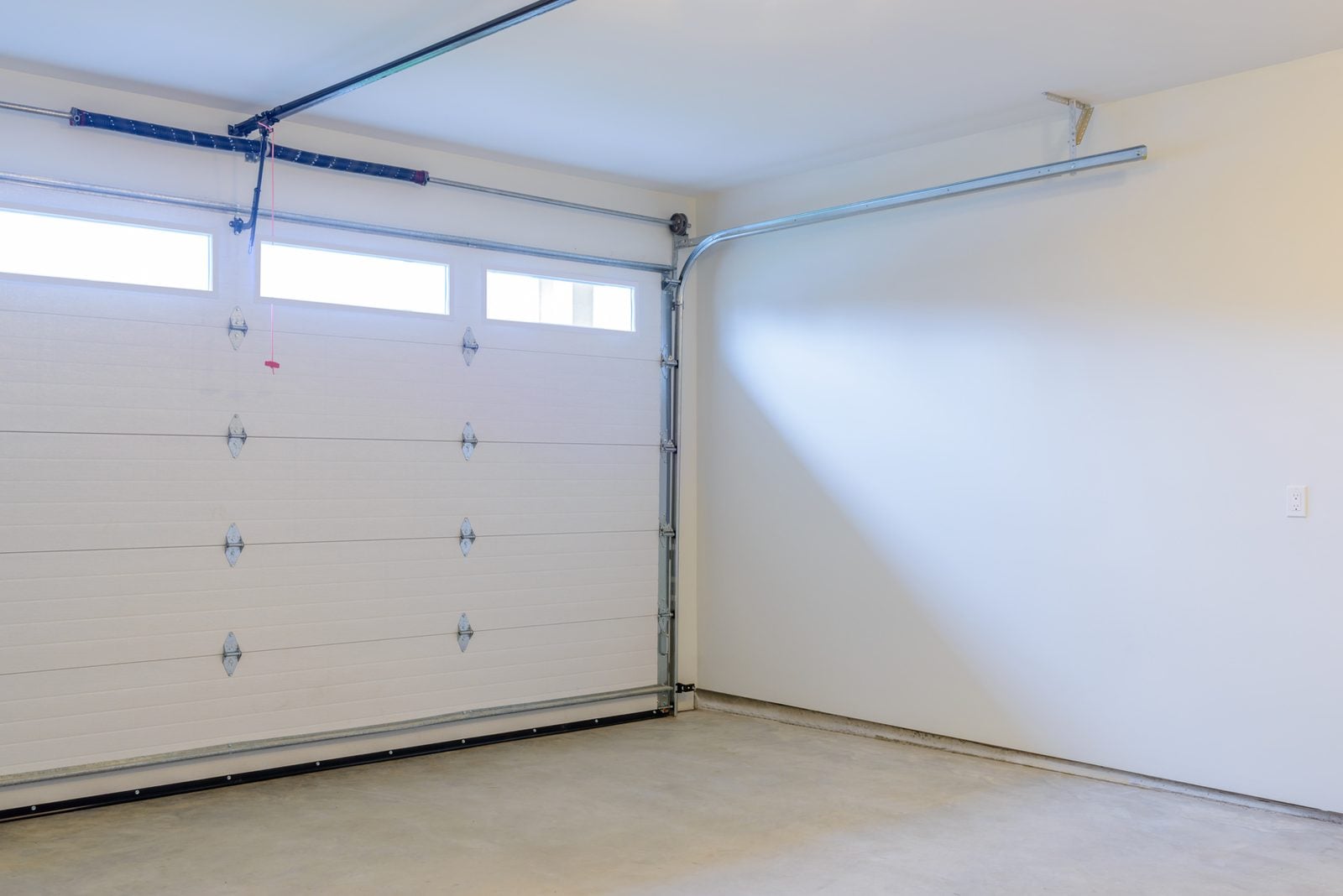
- Phoenix averages 111 days a year at 100°F or higher, so garage doors and openers work through months of heat.
- The monsoon runs June 15 through September 30, and dust storms can leave grit in tracks, rollers and sensor lenses.
- Fall is a good time for a check-up, before the door sits in another long summer.
- Homeowners can safely clean, test and look. Springs, cables and bottom brackets are under high tension and are a job for a provider.
- A provider visit should start with an inspection and end with a written quote before any work begins.
Why does garage door maintenance matter so much in Phoenix?
Garage door maintenance matters in Phoenix because the door and opener spend months in strong heat, then face wind and dust during the monsoon. Heat dries out rubber seals and grease, and dust packs into tracks and rollers. Small issues that start in summer often show up as noise, sticking or reversing by fall.
A short check-up after the hot season helps you catch worn parts early, while the problem is still small. Our maintenance and tune-up page explains what a full service visit covers.
What does summer heat do to a garage door and opener?
Long stretches of heat are hard on the soft parts of a garage door system. Rubber bottom seals can crack or shrink, old grease can dry out or get gummy, and the opener runs in a hot, closed space for hours each afternoon.
- Bottom seal: look for cracks, flat spots or gaps where light shows under the door.
- Rollers and hinges: dry parts squeak, grind or shudder as the door moves.
- Opener: watch for a motor that strains, slows down or stops partway.
- Remote and keypad: heat can drain batteries, so try fresh ones if range drops.
How does monsoon dust affect garage door parts?
Dust from monsoon storms settles in the tracks, coats the rollers and can cover the small lenses on the safety sensors near the floor. Grit in the tracks makes the door run rough and louder. A dusty sensor lens can block the beam, so the door reverses or refuses to close and the opener light blinks.
Wipe each sensor lens with a soft, dry cloth and make sure both sensors point straight at each other. If the door still reverses, see our sensor and keypad repair page.
Need help now? Call to be connected with a local provider in Phoenix who can check availability for your address.
What garage door maintenance can I safely do myself this fall?
You can safely do the cleaning, looking and testing parts of garage door maintenance. Keep your hands away from springs, cables and the bottom brackets, and unplug the opener before you work near it.
- Wipe dust and old grime out of the tracks with a dry rag. Do not grease the tracks themselves.
- Clean the safety sensor lenses and check that the small lights are steady.
- Look over the rollers, hinges and bottom seal for cracks, wobble or wear.
- Apply a garage door lubricant to hinges and roller stems if the door maker allows it.
- Test the safety reverse by placing a piece of wood flat on the floor under the door. The door should reverse when it touches it.
- Watch the door go up and down. It should move smoothly and evenly on both sides.
For noise problems, our guide on quieting a noisy garage door has more ideas.
Which garage door parts should only a provider handle?
Springs, lift cables, cable drums and bottom brackets should only be handled by a garage door provider. These parts hold the weight of the door under high tension, and they can cause serious injury if they slip or snap. Adjusting the opener force or travel limits should also be left to someone trained.
If you see a gap in a torsion spring, a frayed cable, or one side of the door hanging lower than the other, stop using the opener and call. Our garage door spring repair page explains the warning signs.
What signs mean my door needs more than routine maintenance?
Your door needs more than routine care if it is loud and jerky, hangs crooked, reverses for no clear reason, or the opener hums without moving the door. A loud bang from the garage often means a broken spring. Rollers popping out of the track or a bent panel are also signs of a repair job.
At that point, stop using the door and have it checked.
What happens during the visit?
When you call, you are connected with a local provider who comes out to look at the door. The visit usually follows a simple pattern:
- Inspection: the provider checks the springs, cables, rollers, tracks, seals, sensors and opener, and watches the door run.
- Options explained: you hear what is worn, what can wait, and what should be handled now, in plain words.
- Written quote before work: you get a written quote and decide before any work begins.
Have your opener brand and model handy, and note any sounds or symptoms you noticed over the summer.
How Phoenix heat and dust storms wear on garage doors
Phoenix has some of the harshest conditions in the country for a garage door. Based on 1991-2020 normals, Phoenix averages 111 days a year at 100°F or higher and 21 days a year at 110°F or higher. In 2024, Phoenix had a 113-day stretch of 100°F-or-higher days, from May 27 to September 16, and NWS Phoenix reports 2024 was the warmest year on record there.
The National Weather Service defines the monsoon as June 15 through September 30. A Dust Storm Warning means visibility of 1/4 mile or less, and wind gusts of 40 to 60 mph are also likely. On August 25, 2025, NWS Phoenix reported a massive dust storm that moved through the Phoenix area with near-zero visibility in many places.
That mix of heat and grit is why a fall check-up makes sense, whether you live in central Phoenix, Ahwatukee, Glendale, Laveen, Goodyear or Anthem. Call (623) 201-8205 to be connected with a local provider.
Related pages
Questions people ask
How often should I do garage door maintenance in Phoenix?
Most Phoenix homeowners do a quick check every few months and a fuller check once a year. Fall, after the summer heat and monsoon dust, is a good time for the yearly look.
What is included in garage door maintenance?
Garage door maintenance in Phoenix usually means cleaning the tracks, checking rollers, hinges and seals, testing the sensors and safety reverse, and inspecting springs and cables. A provider can also check the opener settings.
Is fall a good time for a garage door check-up in Phoenix?
Fall is a smart time in Phoenix because the hottest months and the monsoon are over. You can catch wear from summer before the door faces another long hot season.
Can the Phoenix heat dry out my garage door bottom seal?
Yes, long Phoenix summers can make rubber seals crack, shrink or harden. If you see daylight under the closed door, the seal may need to be replaced.
Why is my garage door louder after the summer?
A Phoenix garage door often gets louder after summer because grease dries out and dust builds up in the tracks and rollers. Cleaning and light lubrication of hinges and rollers can help, but grinding may mean worn parts.
Should I grease my garage door tracks?
No, the tracks themselves should be kept clean and dry, not greased. In dusty Phoenix conditions, grease in the tracks traps grit. Lubricate hinges and roller stems instead.
What kind of lubricant should I use on a garage door?
Use a lubricant made for garage doors, and follow your door maker's advice. In Phoenix dust, a light coat on moving parts works better than heavy grease that collects dirt.
How do I clean dust off my garage door sensors?
Unplug the opener, then wipe each sensor lens near the floor with a soft, dry cloth. After a Phoenix dust storm, check that both sensor lights are steady and the door closes normally.
How do I test the safety reverse on my garage door?
Lay a piece of wood flat on the floor where the door closes, then close the door. It should reverse when it touches the wood. If it does not, stop using the opener and have a Phoenix provider check it.
Can a dust storm damage my garage door?
A strong Phoenix dust storm can push on the door with high winds and leave grit in the tracks and sensors. Afterward, look for dents, rough movement or reversing, and call if something seems off.
Can I adjust my garage door springs during maintenance?
No, spring adjustment is not a do-it-yourself task. Springs hold the door's weight under high tension, so in Phoenix or anywhere else, leave springs and cables to a provider.
Does garage door maintenance help my opener last longer?
A door that is clean, balanced and moving freely puts less strain on the opener. In Phoenix heat, that can help the opener work more smoothly, though no maintenance can promise how long it will last.
How do I know if my garage door is out of balance?
A balanced door stays put when you lift it halfway by hand. If it drops or shoots up, the springs may need attention, which is a job for a Phoenix provider.
Should I replace my garage door remote batteries in the summer?
If your remote's range drops during the Phoenix summer, fresh batteries are a simple first step.
Who can do garage door maintenance near me in Phoenix?
Call (623) 201-8205 to be connected with a local provider for garage door maintenance in Phoenix and nearby areas such as Glendale, Peoria and Ahwatukee.
Can I check an Arizona contractor before they work on my garage door?
Yes, Arizona homeowners can look up a contractor in the Arizona Registrar of Contractors online contractor search.
I rent out a house in Phoenix. What garage door checks should I ask for?
Ask for a check of the safety reverse, sensors, springs, cables and seals between tenants or once a year. A Phoenix provider can note what needs care now and what can wait.
What should I tell the provider when I call about garage door maintenance?
Share your opener brand and model, how old the door is, and any noises or problems you noticed over the Phoenix summer. That helps the provider plan the visit.
Talk to someone about your garage door problem
Call to be connected with a local provider who can check availability for your address and explain the next step.