How to Replace Garage Door Rollers in Phoenix
How to replace garage door rollers in Phoenix comes down to one rule: with the door closed and the opener unplugged, swap the upper rollers one hinge at a time, and never loosen the bottom brackets, which are under spring tension. If rollers are broken, the door is crooked, or a bottom roller is involved, call to be connected with a local provider.
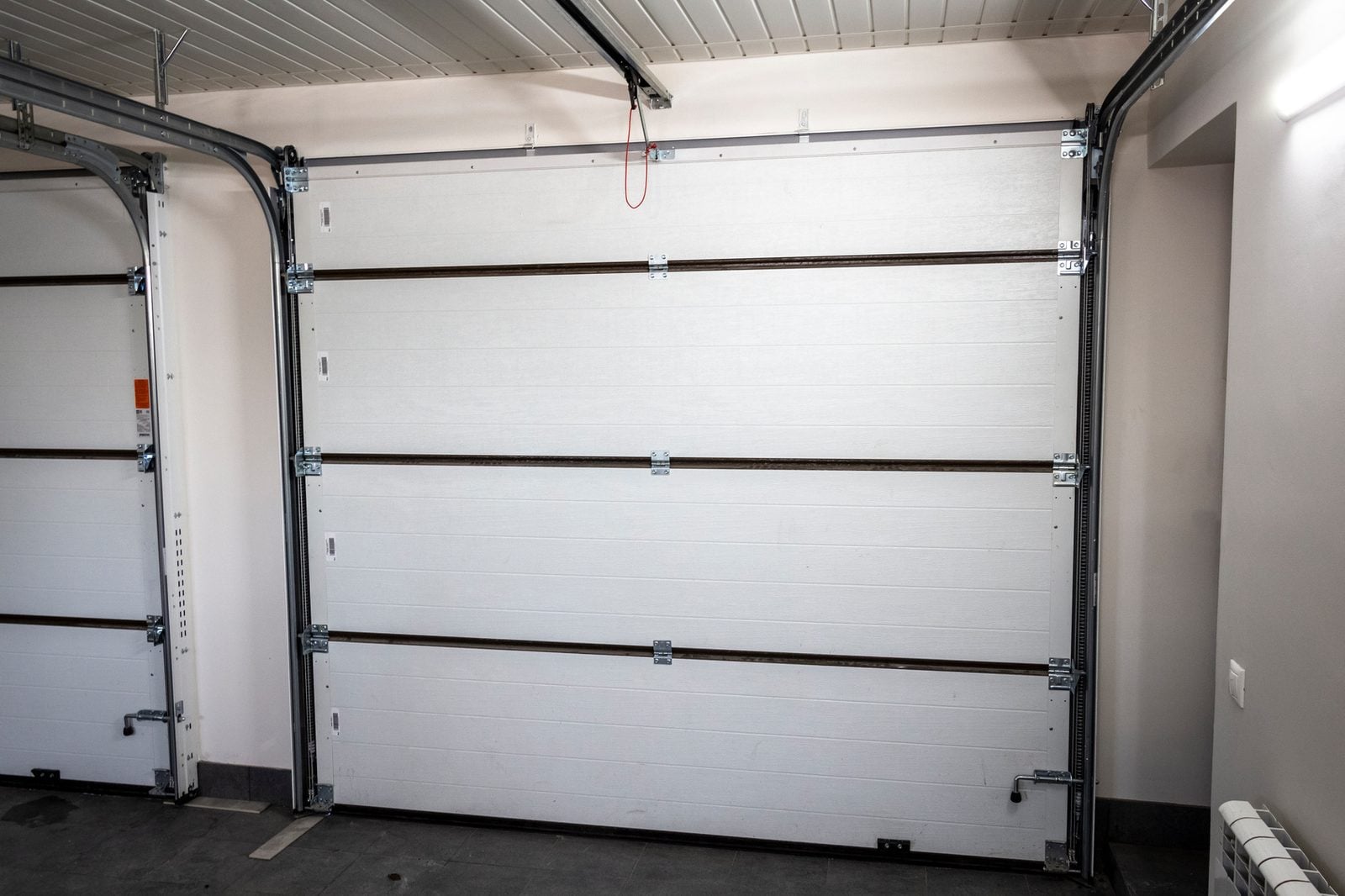
- Rollers ride inside the tracks and let the door move smoothly. Worn rollers cause grinding, wobbling and extra strain on the opener.
- Upper and middle rollers sit in hinge brackets. Bottom rollers sit in brackets tied to the lift cables and springs, which hold heavy tension.
- Replace rollers one at a time with the door fully closed and the opener unplugged, so the door never loses its support.
- Phoenix averages 111 days a year at 100°F or higher, so parts in a hot garage see a lot of heat.
- If the door is off track, crooked, or has a broken spring or cable, stop and call for help instead of changing rollers.
How do you replace garage door rollers safely?
To replace garage door rollers safely in Phoenix, close the door, unplug the opener, and change only the upper and middle rollers, one hinge at a time. Leave the bottom roller brackets and anything touching the springs or cables to a provider. That split keeps the job simple and keeps you away from the parts that store dangerous tension.
Here is the basic approach most guides describe for an upper roller:
- Close the door all the way and unplug the opener so nobody can run it.
- Clamp locking pliers on the track just above the door so it cannot rise.
- Pick one hinge. Loosen only that hinge's bolts, tilt the hinge out, and slide the old roller stem out of the track.
- Slide the new roller into the track and the hinge sleeve, then tighten the bolts snug, not stripped.
- Repeat on the next hinge. Never loosen two hinges on the same section at once.
If a roller is stuck, the track is bent, or a bolt will not move, stop there and call to be connected with a local provider.
What are the signs your garage door rollers need replacing?
The most common signs are a grinding or rumbling sound, a door that shakes as it moves, and rollers that look chipped, cracked or flat on one side. Rollers wear slowly, so many people notice the noise first. A door that rubs the track or sits unevenly can also point to worn rollers or a worn hinge.
- Loud grinding, popping or squealing that is new.
- Rollers that wobble on their stems or do not spin freely.
- Cracked nylon wheels or rusty, seized steel wheels.
- Gaps or rubbing between the door edge and the track.
If noise is the main issue, our guide on how to quiet a noisy garage door covers other causes too.
Which garage door rollers can you replace yourself, and which should you leave alone?
Most homeowners can reasonably replace the upper and middle rollers that sit in hinge brackets. The bottom rollers on each side are different. Their brackets connect to the lift cables, and the cables connect to the springs. Loosening a bottom bracket can let the cable snap free with great force.
Leave these jobs to a provider:
- Bottom roller brackets on either side of the door.
- Any roller near a frayed, loose or slack cable.
- Rollers on a door with a broken spring.
- Doors that are off track or hanging crooked.
The garage door cable and roller repair page explains how cable and roller problems are usually handled together.
Need help now? Call to be connected with a local provider in Phoenix who can check availability for your address.
What kind of replacement rollers should you buy?
Match the stem length and wheel size of the rollers already on your door. Most home doors use a standard size, but check before you buy. Beyond size, the main choice is the wheel material and whether it has sealed bearings.
- Nylon rollers with bearings: quieter and smooth, a common upgrade for doors next to living space.
- Steel rollers: sturdy but louder, and they need occasional lubrication.
- Plain plastic rollers without bearings: found on many older or builder-grade doors, and they tend to wear out sooner.
Rollers are often sold in packs. Count your rollers first so you replace the whole set at once and the door moves evenly.
What tools do you need to replace garage door rollers?
For upper rollers you usually need a socket or wrench set, locking pliers, a step ladder, safety glasses and work gloves. Some people also use a flat pry bar to ease a stiff hinge out. You do not need special spring tools, because you should not be touching the springs at all.
Lay out the new rollers before you start, and work in good light. A garage in the Phoenix area can get very hot in summer, so pick a cooler time of day and keep water nearby. Rushing in the heat is when bolts get stripped and steps get skipped.
Should you lubricate new garage door rollers?
It depends on the roller. Steel rollers and rollers with open bearings benefit from a light spray of garage door lubricant on the bearing, not the wheel. Nylon rollers with sealed bearings usually need little or nothing. Do not grease the inside of the tracks, because grease collects dust and grit.
Dust is a real factor around Phoenix, especially after monsoon storms. Wiping the tracks with a dry cloth now and then helps rollers last longer. A garage door maintenance and tune-up visit can include a roller and track check if you would rather not do it yourself.
When should you stop and call for help instead?
Stop and call if the door is crooked, off track, or does not stay put once the opener is unplugged. Also stop if you see a broken spring, a frayed cable, or a bent track. These problems put the door's full weight in play, and a roller swap will not fix them.
A roller that pops out of the track is often a sign of a bigger issue. The garage door off-track repair page explains what to do if that has already happened. Keep cars and people clear, and call to be connected with a local provider who can look at the whole door.
What happens during the visit?
A provider usually starts by inspecting the door, rollers, hinges, tracks, cables and springs, then runs the door to see how it moves. They explain what they found and the options, such as replacing rollers only or also addressing hinges, cables or track alignment. You should get a written quote before any work begins.
Ask which rollers they plan to use and why, and what else they noticed. If you rent, check with your landlord before approving work.
Why Phoenix heat and dust are hard on garage door rollers
Garage doors in the Phoenix area work through long, hot summers. Phoenix averages 111 days a year of 100°F or higher and 21 days a year of 110°F or higher, based on 1991-2020 normals. In 2024, Phoenix recorded 70 days of 110°F or higher, the most on record. A closed garage facing the afternoon sun gets even hotter, and plastic parts and lubricants age faster in that kind of heat.
Dust is the other issue. The National Weather Service defines the monsoon as June 15 through September 30, and a Dust Storm Warning means visibility of 1/4 mile or less with wind gusts of 40 to 60 mph also likely. Fine dust settles in tracks and bearings, which can make rollers grind or stick.
Whether you live in central Phoenix, Glendale, Peoria, Ahwatukee or Goodyear, a fall check after the monsoon is a good time to look at your rollers. Call to be connected with a local provider who serves your area.
Related pages
Questions people ask
How do I replace garage door rollers myself?
Close the door, unplug the opener, and replace the upper and middle rollers one hinge at a time. Do not loosen the bottom brackets, because they connect to the cables and springs.
Is it safe to replace garage door rollers on my own?
Replacing upper rollers is a manageable job for many people if the door is closed and the opener is unplugged. Bottom rollers and anything near the springs or cables should be left to a provider in Phoenix.
Why are the bottom garage door rollers dangerous to replace?
The bottom brackets hold the lift cables, which are under spring tension. Loosening them can release that tension suddenly and cause serious injury.
Can I replace garage door rollers without taking the door off the track?
Yes, upper rollers can usually be swapped by loosening one hinge, tilting it out and sliding the roller out of the track. You do not need to remove the door.
How do I know if my garage door rollers are worn out?
Grinding noise, shaking, and rollers that are chipped, cracked or wobbly are the usual signs. A door that rubs the track can also point to worn rollers.
Are nylon or steel garage door rollers better?
Nylon rollers with bearings are quieter, and steel rollers are sturdy but louder. Match the size of your current rollers and choose based on noise and use.
Do I need to replace all my garage door rollers at once?
It is usually a good idea. Rollers wear at a similar rate, so replacing the full set helps the door move evenly.
What size rollers does a garage door use?
Many home doors use a common standard size, but not all. Measure the wheel and stem of an existing roller before you buy replacements.
Should I grease my garage door tracks after replacing the rollers?
No. Lubricate the roller bearings lightly if they are steel or open, but keep the tracks clean and dry so dust does not build up.
Why does my garage door still grind after I put in new rollers?
Grinding can also come from bent tracks, loose hinges or opener problems. If new rollers did not help, have a provider in Phoenix check the whole door.
A roller came out of the track. Can I just push it back in?
Usually not safely. A roller out of the track often means the door is off track or the track is bent, so stop using the door and call for help.
Can the Phoenix heat wear out garage door rollers faster?
Heat can age plastic parts and lubricants faster. Phoenix averages 111 days a year at 100°F or higher, so rollers in a hot garage see a lot of stress.
Does dust from monsoon storms affect garage door rollers?
Yes, dust can settle in tracks and bearings and cause grinding or sticking. Wiping the tracks with a dry cloth after storms helps.
Should I unplug the garage door opener before replacing rollers?
Yes. Unplug it so nobody can start the door while your hands are near the hinges and tracks.
Can I replace garage door rollers with the door open?
No. Keep the door fully closed so it rests on the floor and cannot drop while a hinge is loose.
Who can replace garage door rollers near me in Phoenix?
Call the number on this page to be connected with a local provider who works on garage doors in Phoenix, Glendale, Peoria and nearby areas.
Do I need a licensed contractor for garage door work in Arizona?
Arizona law generally requires contractors to hold a license in good standing unless an exemption applies. You can look up a contractor in the Registrar of Contractors online search.
What should I tell the provider when I call about garage door rollers?
Describe the noise or movement, whether any roller has come out of the track, and whether the door is open or closed. Mention any broken spring or loose cable.
Talk to someone about your garage door problem
Call to be connected with a local provider who can check availability for your address and explain the next step.