How to Install Garage Door Weather Stripping in Phoenix
How to install garage door weather stripping in Phoenix comes down to matching each seal to its spot: a bottom seal that slides into the door's retainer and stop molding nailed to the frame. Work with the door closed and the opener unplugged, never under a raised door, and call to be connected with a local provider if springs or cables need attention.
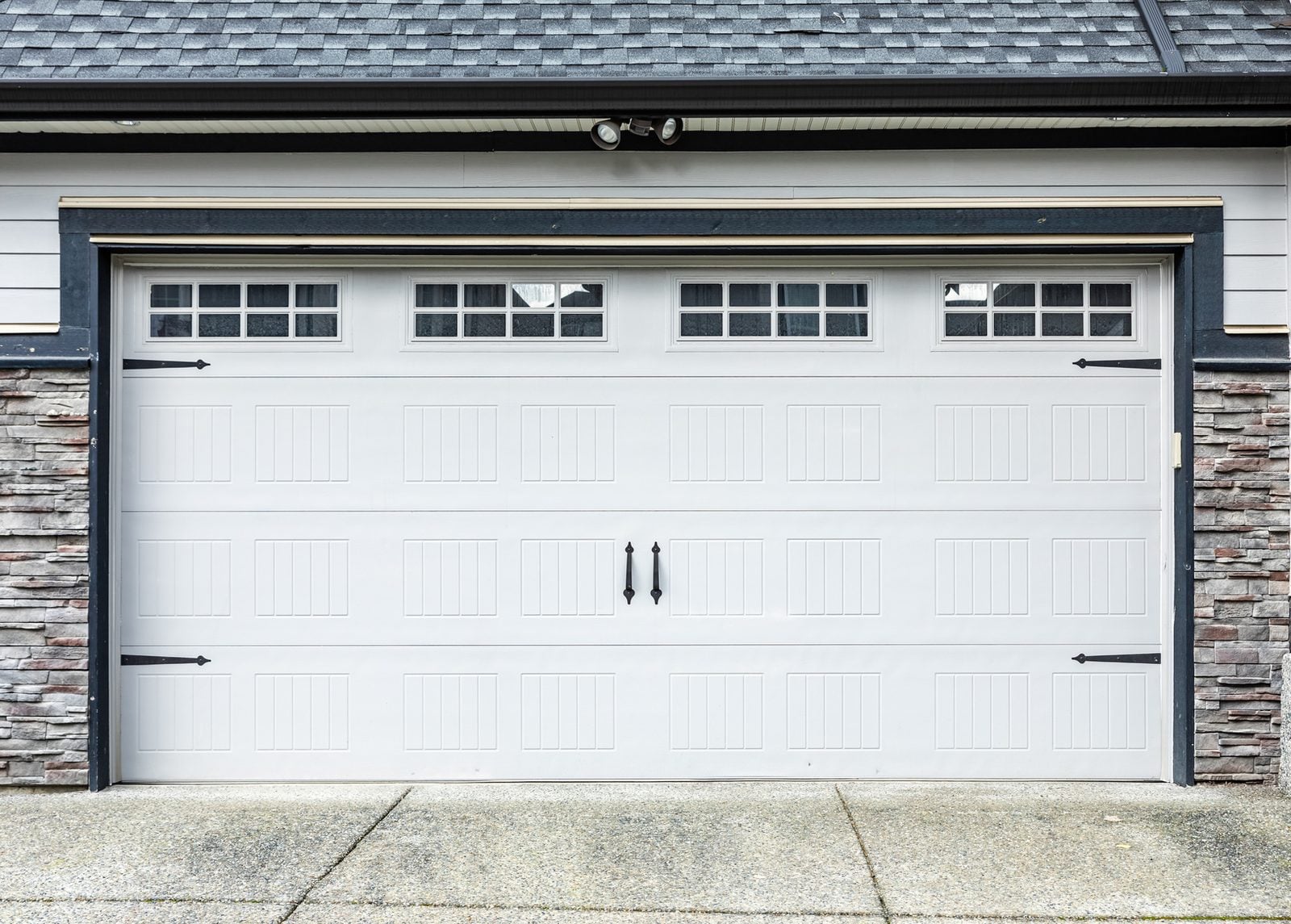
- Garage doors usually have three seal areas: the bottom seal, the side and top stop molding on the frame, and the gaps between panels.
- Most bottom seals slide into a metal or vinyl retainer on the bottom edge of the door. Measure the shape and width of that retainer before you buy.
- Never work under a raised or partly open door, and never loosen the bottom brackets, which connect to the lift cables and springs.
- A thicker new seal can change how the door closes, so test the opener's safety reverse after any weather stripping job.
- Phoenix averages 111 days a year at 100°F or higher, so rubber and vinyl seals around the Valley face a lot of heat and sun.
How do you install garage door weather stripping step by step?
To install garage door weather stripping in Phoenix, remove the old seal, clean the surface, cut the new seal to length, and fit it with the door closed and the opener unplugged. The bottom seal slides into the retainer on the door, and the side and top stop molding is nailed or screwed to the frame. Then test the door.
- Unplug the opener so nobody can run the door while you work.
- Note which seals are cracked, flattened or missing.
- Measure the door width and frame height, and photograph the end of the bottom retainer so you buy a matching seal.
- Remove the old seal and clean out dust and old adhesive.
- Fit the new seal, trim it to length, and fasten it.
- Plug the opener back in, run a full cycle, and test the safety reverse.
Basic tools are enough: a tape measure, utility knife, pry bar, hammer or drill, galvanized fasteners, silicone spray, exterior caulk, safety glasses and gloves. If any step means raising the door partway and working under it, stop and call to be connected with a local provider.
What types of garage door weather stripping are there?
Garage door weather stripping comes in three main kinds: bottom seals, stop molding for the sides and top, and threshold seals that stick to the floor. Each one blocks a different gap, so light at the bottom needs a different fix than gaps along the sides.
- Bottom seals: rubber or vinyl strips shaped like a T, a bulb or a beaded edge that slide into a retainer on the door's bottom edge. Wood doors often use a seal nailed directly to the bottom.
- Stop molding: a vinyl or wood strip with a soft flap that presses against the door face, running up both sides and across the top.
- Threshold seals: a raised rubber strip glued to the floor, useful when the slab is uneven or slopes toward the garage.
If a panel itself is cracked or dented, new seals will not close the gap. The garage door panel replacement page explains that repair.
How do you replace the bottom seal on a garage door?
To replace a bottom seal, close the door, unplug the opener, and slide the old seal out of the retainer from one end. Clean the channel, spray it lightly with silicone or soapy water, and feed the new seal in the same way. Trim the ends flush with the door edges.
- Sliding a long seal through the channel goes easier with two people, one feeding and one pulling.
- In summer, work in the shade so the metal is not too hot to touch.
- Some guides suggest raising the door a few feet to reach the retainer ends. Do not stand or reach under a raised door. If you cannot reach the ends with the door closed, have a provider handle it.
The bottom brackets at each corner hold the lift cables, and the cables are tied to the springs. If retainer screws sit near those brackets, leave them alone.
Need help now? Call to be connected with a local provider in Phoenix who can check availability for your address.
How do you install stop molding on the sides and top of a garage door?
Stop molding goes on the outside face of the door frame, with its soft flap pressing lightly against the closed door. Close the door, hold the new strip against the frame so the flap just touches the door, and fasten it with galvanized nails or screws every 12 inches or so.
- Pry off the old molding carefully so you do not split the frame.
- Cut the top piece first, then the two side pieces, with a slight angle at the top corners so they meet cleanly.
- Press the strip so the flap compresses just a little. Too tight and the door drags. Too loose and light still gets through.
- Fasten the top, then work down each side.
- Seal any gap between the molding and the stucco or siding with exterior caulk.
Run the door a few times with the opener. If it rubs or squeaks against the new flap, back the strip off slightly.
Which parts of a weather stripping job are dangerous?
The dangerous parts are anything near the springs, the lift cables or the bottom brackets, and any work done under a raised door. Garage door springs hold enough tension to lift a heavy door, and that force can release suddenly if a bracket or cable is loosened.
- Spring tension: do not touch, adjust or remove springs, cones or winding bars.
- Bottom brackets: they are connected to the cables. Do not unbolt them to remove a bottom retainer.
- A raised door: a door can drop if a spring or cable fails. Do not prop it open and work underneath.
- Electricity and the opener: unplug the opener before work. If you are unsure about changing the opener's force or travel settings, leave that to a provider.
If you see a broken spring, frayed cable or a door that hangs crooked, stop the weather stripping job. The garage door maintenance and tune-up page covers how those parts are checked.
Why does my garage door still have gaps after new weather stripping?
If gaps remain after new weather stripping, the cause is usually an uneven floor, a door that is out of balance, a warped bottom section, or an opener that stops the door too high. Seals fill small gaps. They cannot make up for a door that is not sitting level.
A gap wider on one side often points to a settled slab or a stretched cable. An even gap across the bottom may mean the opener stops short. A provider can check balance and opener settings safely. If the door also grinds as it moves, see how to quiet a noisy garage door.
When should you stop and call a provider?
Stop and call if the retainer is bent or rusted through, the door is crooked, a spring or cable looks damaged, or the door will not reverse when it touches an object. Those problems involve the parts that carry the door's weight.
A rotted bottom section or damaged frame is also a reason to call. Call to be connected with a local provider who can look at the whole door, not just the seals.
What happens during the visit?
A provider usually starts by inspecting the seals, the bottom retainer, the frame, the door's balance, the springs and cables, and the opener's safety reverse. They explain what they found and the options, such as replacing the bottom seal only, adding new stop molding, or addressing balance or panel damage first. You should get a written quote before any work begins.
Ask which seal type they suggest for your door and why. If you rent your home, check with your landlord before approving work.
How Phoenix heat, dust and monsoon storms wear out garage door seals
Weather stripping in the Phoenix area works hard. Phoenix averages 111 days a year of 100°F or higher and 21 days a year of 110°F or higher, based on 1991-2020 normals, and the all-time record high is 122°F. A garage door facing the afternoon sun bakes in that heat, and rubber and vinyl seals can stiffen, crack and shrink over time.
Dust and storms are the other part of the story. The National Weather Service defines the monsoon as June 15 through September 30, and a Dust Storm Warning means visibility of 1/4 mile or less with wind gusts of 40 to 60 mph also likely. Gaps under the door let that dust into the garage. Phoenix averages only 7.22 inches of rain a year at Sky Harbor, yet heavy storms do happen: on one day in late September 2025, Sky Harbor received 1.64 inches of rain, its highest one-day total since 2018. A worn bottom seal can let runoff into the garage on days like that.
Whether you live in central Phoenix, Ahwatukee, Glendale, Laveen or Goodyear, the fall months after the monsoon are a good time to check your seals. Call to be connected with a local provider who serves your area.
Related pages
Questions people ask
How do I install garage door weather stripping myself?
Unplug the opener, close the door, remove the old seal, clean the surface, and fit the new seal. The bottom seal slides into the retainer, and the side and top stop molding is nailed or screwed to the frame.
What kind of garage door bottom seal do I need?
You need a seal that matches the retainer on your door. Look at the end of the old seal or the channel and match its shape, such as T-style, bulb or beaded, and its width.
Can I replace the bottom seal without opening the garage door?
Often yes, if you can reach both ends of the retainer with the door closed. If you would need to raise the door and work under it, have a provider in Phoenix handle that part.
How do I know if my garage door weather stripping needs replacing?
Look for daylight under or around the closed door, cracked or flattened rubber, and dust or leaves blowing into the garage. Seals that feel hard and brittle instead of soft are also worn out.
Why is my new garage door bottom seal not staying in the track?
The seal usually does not match the retainer width or shape. A bent or rusted retainer can also let the seal slip out, and in that case the retainer may need attention first.
Do I need to adjust my garage door opener after installing a new bottom seal?
Sometimes. A thicker seal can change where the door stops, so run a full cycle and test the safety reverse, and call a provider if the door will not reverse or close properly.
How do I test the safety reverse after changing my garage door seal?
Place a sturdy object like a board flat on the floor under the door and close it with the opener. The door should reverse when it touches the object, and if it does not, stop using the opener and call for help.
Is a garage door threshold seal a good idea in Phoenix?
A threshold seal can help when the floor is uneven or water runs toward the garage during storms. It glues to the slab, so the concrete has to be clean and dry first.
Does weather stripping help keep a garage cooler in the Phoenix summer?
Good seals can cut down on hot air and dust coming in through gaps. They will not cool a garage on their own, but they help if the door is insulated.
Can weather stripping keep scorpions and bugs out of my garage?
Sealing gaps under and around the door removes easy entry points, which can help. It is not a full pest plan, so pair it with other steps if pests are a problem.
Is it dangerous to remove the bottom retainer from a garage door?
It can be. The bottom brackets at each corner connect to the lift cables and springs, so do not unbolt them, and call a provider if the retainer has to come off.
What should I do if my garage door has a big gap on one side even with new seals?
A gap on one side usually means the floor has settled or the door is out of balance. Seals cannot fix that, so call to be connected with a local provider for an inspection.
Who can install garage door weather stripping near me in Phoenix?
Call the number on this page to be connected with a local garage door provider who serves Phoenix and nearby areas like Glendale, Peoria and Ahwatukee.
How can I check a contractor's license in Arizona before garage door work?
You can look up a contractor's license in the Arizona Registrar of Contractors' online contractor search. Arizona law says it is unlawful to act as a contractor without a license in good standing unless the person is exempt.
What should I mention when I call about garage door weather stripping?
Say which seals are worn, whether you see light under or around the door, and whether the door is level and reverses properly. Photos of the bottom seal and corners help too.
Talk to someone about your garage door problem
Call to be connected with a local provider who can check availability for your address and explain the next step.